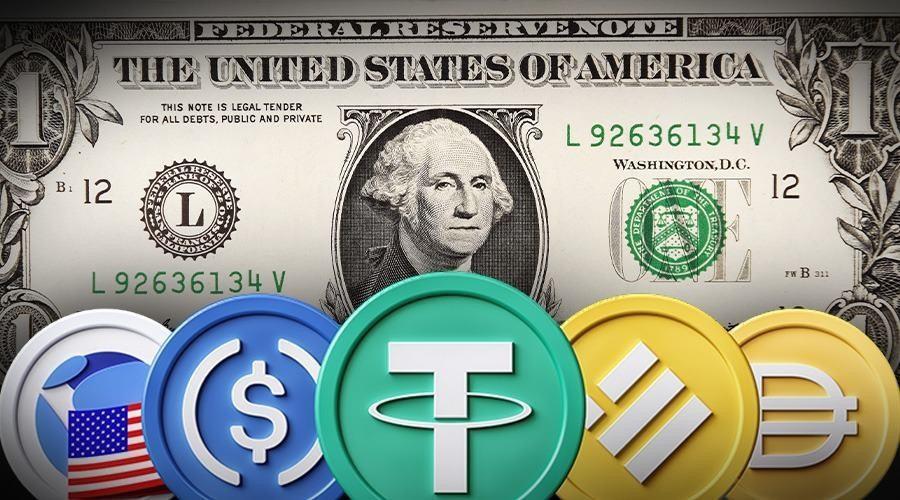
Understanding the Foundations of Stablecoins and Their Role in Modern Finance
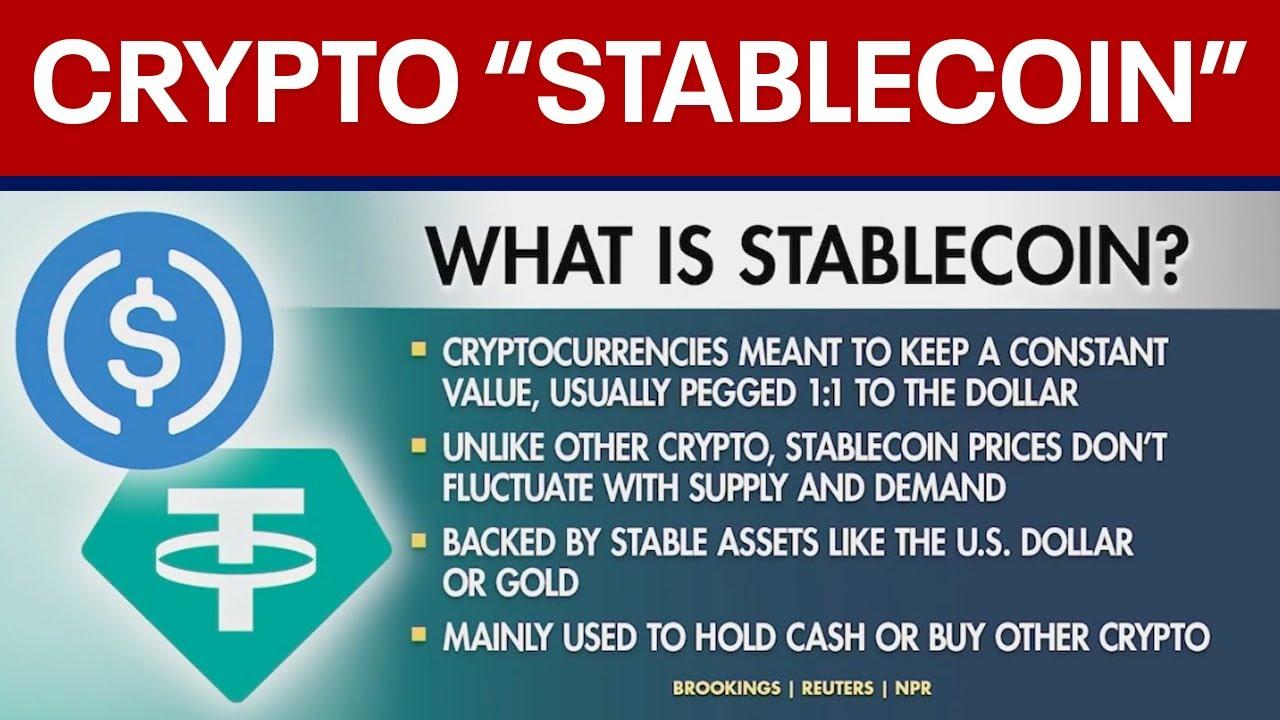
Stablecoins serve as the bridge between traditional finance and the rapidly evolving world of digital assets. They are designed to offer the stability of fiat currencies while leveraging the efficiency of blockchain technology. By maintaining a fixed value, often backed by reserves like USD or other assets, stablecoins enable seamless transactions, reduce volatility, and foster trust among users and institutions alike. Their foundational role is crucial in providing a reliable digital medium for trading, remittances, and decentralized finance (DeFi) activities.Understanding their underlying mechanisms — whether through collateralized assets, algorithmic adjustments, or hybrid models — reveals how they sustain stability amidst the fluctuations that characterize cryptocurrencies.
Key Mechanisms of Stablecoins
- Collateralized Stablecoins: Backed by real-world assets or cryptocurrencies held in reserve.
- Algorithmic Stablecoins: Use algorithms to regulate supply and demand, maintaining a target value.
- Hybrid Models: Combine collateralization and algorithmic features for enhanced stability.
Popular Stablecoins at a Glance
| Stablecoin | Type | Backing Asset |
|---|---|---|
| USDT | Collateralized | USD Reserves |
| DAI | collateralized | Crypto Collateral |
| FRAX | Hybrid | Crypto + Fiat |
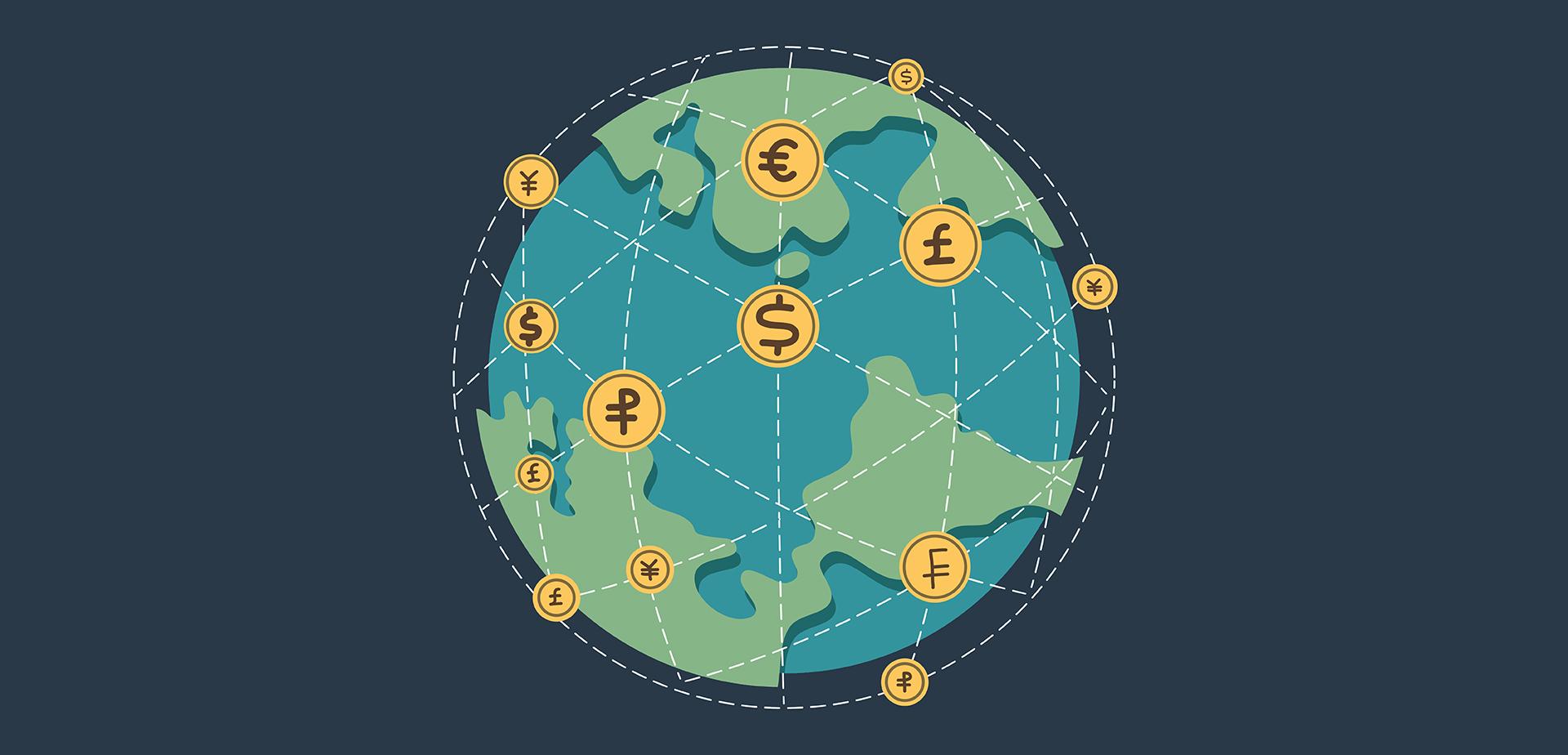
Evaluating Transparency and Security Measures in Stablecoin Ecosystems
Assessing Transparency in stablecoin Operations
Transparency serves as the foundation for trust within stablecoin ecosystems. When examining a stablecoin, stakeholders should consider elements such as funding sources, reserve backing, and audit reports. The availability of real-time data on reserve holdings and clear disclosure practices can significantly influence user confidence. Without such openness, questions about the true stability and backing of the coin remain. The transparency level directly impacts the ecosystem’s credibility and long-term sustainability, highlighting the importance of sustained and accessible reporting.
Security measures, on the other hand, form the backbone of operational integrity. Key aspects include robust encryption protocols, secure wallet management, and regular security audits. A stablecoin platform that openly shares details on its cybersecurity practices fosters a safer surroundings for users and investors alike. Integrating transparent security protocols not only deters malicious attacks but also reassures users that their assets are protected. Ultimately,a balance between transparency and security is crucial for cultivating a resilient and trustworthy stablecoin ecosystem.
| transparency Aspects | security Features |
|---|---|
| Regular reserve audits | Encryption of transaction data |
| Public reserve reports | Multi-factor authentication (MFA) |
| Real-time data feeds | Periodic security assessments |
Navigating Regulatory Landscapes and Compliance Challenges for Stablecoin Adoption
As the stablecoin ecosystem continues to evolve, navigating the complex web of regulations becomes increasingly critical for widespread acceptance. Regulatory clarity varies significantly across jurisdictions, often creating a patchwork of compliance challenges that can hinder innovation and user trust. Organizations must adopt proactive strategies, such as engaging with policymakers and fostering transparency, to ensure their stablecoins meet evolving standards without sacrificing agility. Recognizing and adapting to these regulatory nuances is essential for bridging the gap between technological potential and legal feasibility.
Key obstacles include KYC/AML compliance, licensing requirements, and transparency mandates that differ around the world. To streamline adoption, stakeholders should prioritize establishing secure, compliant frameworks that balance user privacy with regulatory demands. Consider the following factors in your compliance approach:
- Aligning with local regulations: Staying informed about regional legal updates.
- Implementing real-time monitoring: detecting suspicious transactions early.
- Collaborating with regulators: Building trust through interaction and shared goals.
| Compliance Aspect | Challenge | Solution |
|---|---|---|
| KYC/AML | Balancing user privacy with regulatory scrutiny | Advanced identity verification tools |
| Licensing | Varied requirements across borders | unified legal frameworks and adaptable licenses |
| Transparency | Ensuring trust without revealing sensitive info | Leveraging blockchain auditability |
Strategic Recommendations for Investors and Developers Engaging with Stablecoins
Navigating the stablecoin landscape requires a nuanced understanding of the underlying assets and market dynamics.Due diligence is essential—investors should scrutinize the reserve backing, transparency protocols, and regulatory compliance of each stablecoin before committing capital. Developers, conversely, must prioritize security through rigorous audits and design resilient infrastructure that can adapt to evolving legal frameworks. Embracing a multi-layered approach helps mitigate risks and fosters long-term stability in digital asset ecosystems.
consider implementing a strategic review process that includes regular risk assessments and scenario planning. This can include monitoring reserve adequacy, assessing technological vulnerabilities, and staying updated on regulatory shifts. To facilitate decision-making, a simple overview can be helpful:
| focus Area | Suggestion |
|---|---|
| reserve Transparency | Audit regularly and publish reports openly |
| Regulatory Compliance | Monitor legal updates and adapt accordingly |
| Technological Security | Prioritize security audits and blockchain resilience |