Exploring Design and Aesthetics in the Competitive Chinese Electric SUV Market
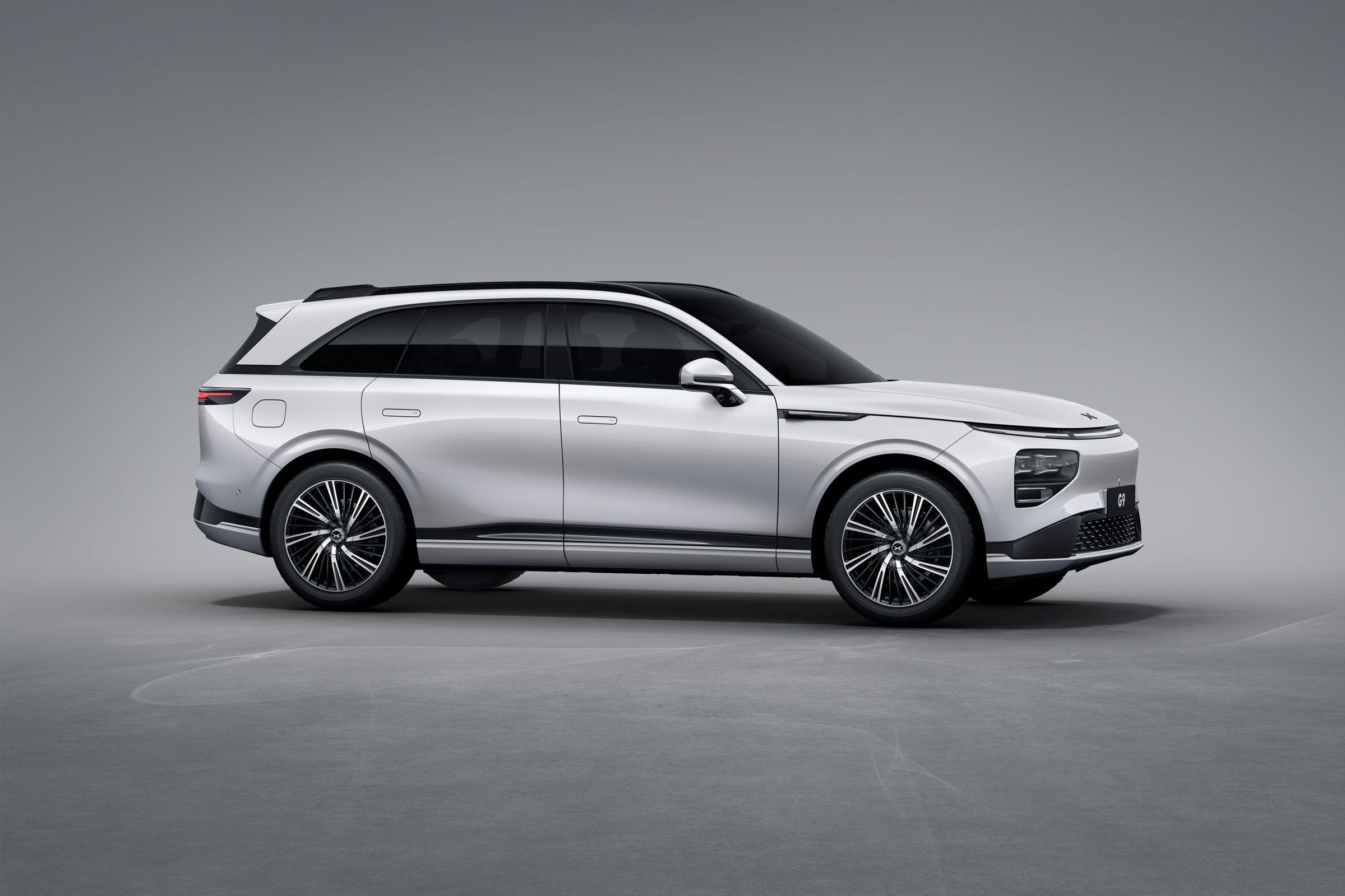
In the fiercely competitive landscape of chinese electric SUVs,design and aesthetics serve as key differentiators that sway consumer preferences.Both the 理想i8 and 乐道L90 showcase bold styling decisions—each vying to capture attention through distinctive visual identities. The 理想i8 leans into a sleek, futuristic silhouette with sharp LED lighting signatures and minimalist interiors that emphasize sophistication. Conversely, 乐道L90 adopts a more muscular stance, emphasizing ruggedness with robust lines and an aggressive grille that appeals to adventure-oriented drivers. Meanwhile, newcomers like 小鹏 are reevaluating their design language, seeking to harmonize innovation with emotional appeal, which can be a hard nut for conventional brands to crack amid the ongoing aesthetic arms race.
Beyond looks, automakers are increasingly leveraging aesthetic innovation to forge brand loyalty. Key elements include:
- Distinctive lighting signatures that create recognizable night-time profiles
- Dynamic wheel designs that add an active vibe
- Interior ambient lighting to evoke a premium feel
Below is a quick comparison illustrating how these design philosophies translate into visual features:
| Feature | 理想i8 | 乐道L90 | 小鹏 |
|---|---|---|---|
| Lighting | Futuristic LEDs | Bold DRLs & Headlights | Innovative Light Patterns |
| Exterior Lines | Sleek & Minimalist | Muscular & Defined | Futuristic & Dynamic |

Assessing Performance and Technology Innovations for Consumer Satisfaction
Evaluating Cutting-Edge Technologies and Their Impact on Consumer Experience
At the core of modern automotive innovation lies a relentless pursuit of enhancing performance metrics and integrating smart technology that resonates with consumer needs. The battle between models like the 理想i8 and乐道L90 showcases a fascinating divergence in strategy—where raw power intersects with intelligent design. Key factors such as battery efficiency,autonomous capabilities,and user-friendly interfaces are now critical benchmarks. Consumers are not just looking for speed or range—thay seek seamless connectivity, safety, and a personalized driving experience. Through rigorous testing and real-world application, manufacturers are constantly refining these elements to foster loyalty and elevate satisfaction levels.
Performance Metrics and User-centric Innovations
| Feature | Innovation | Consumer Benefit |
|---|---|---|
| AI-Powered Navigation | Adaptive routing based on real-time data | Reduced travel time,increased convenience |
| Smart Battery Management | Predictive analytics for optimal charge | Enhanced range,longer battery life |
| Voice-Activated Controls | Natural language processing | Hands-free convenience,improved safety |
In this competitive landscape,continuous innovation not only refines the performance edge but also redefines consumer expectations.When consumers evaluate vehicles, they increasingly prioritize integrated technology that aligns with their digital lifestyle—a trend that pushes manufacturers to innovate beyond traditional metrics and focus on user satisfaction. The true measure of success will be how these technological advancements translate into tangible benefits, making each journey safer, smarter, and more enjoyable.
Sponsor the automotive industry is in constant flux, with consumer satisfaction increasingly tied to performance and technological advancements. as manufacturers like Ideal and Leda compete, the integration of cutting-edge technology becomes paramount. The battleground isn't just about horsepower; it's about the seamless blend of performance metrics and innovative features that enhance the driving experience. To truly gauge success,several factors must be considered: performance benchmarks: Analyzing acceleration,handling,and overall driving dynamics. Technological integration: Evaluating the effectiveness of infotainment systems, autonomous driving features, and connectivity options. Consumer feedback: Gathering insights on user experience, feature usability, and overall satisfaction. Here's a simplified comparison table: feature Ideal i8 Leda L90 Acceleration (0-60 mph) 4.5 seconds 4.8 seconds Infotainment System Advanced, user-friendly Intuitive, limited apps Autonomous Driving level 3 Level 2+ Ultimately, the car that best aligns performance innovations with user needs will capture the hearts (and wallets) of consumers.And while the automotive arms race continues, remember to refine your writing with editorr to ensure your narrative is as polished as the vehicles you're discussing.

Navigating brand Loyalty and Market Perceptions Amidst Rising competition
In an increasingly crowded EV market, customer loyalty hinges not just on product features but also on brand perception and emotional connection.As major players like 理想i8, 乐道L90, and 小鹏 g0 vie for dominance, brands must innovate beyond specs to nurture trust. Consumers are scrutinizing:
- After-sales service reliability
- Brand heritage and values
- Community engagement efforts
| Factor | Impact on Loyalty |
|---|---|
| brand Narrative | builds emotional bonds,fostering repeat business |
| Innovation & Differentiation | Prevents customers from shifting to competitors |
| Customer Engagement | Creates community loyalty and word-of-mouth buzz |

Strategic Recommendations for Manufacturers to Strengthen Market Position
To carve out a distinct stance in the competitive landscape,manufacturers must prioritize innovation that genuinely resonates with customer needs. Emphasizing cutting-edge technology, intuitive user experience, and seamless connectivity can create a compelling value proposition that elevates brand perception. Moreover, building a robust ecosystem—integrating software updates, after-sales support, and community engagement—can foster brand loyalty and create a competitive moat that is difficult for rivals to breach.
Strategic collaborations and differentiating marketing narratives are essential to stand out amidst fierce competition. Highlighting unique strengths such as advanced autonomous features or enduring design can appeal to specific consumer segments. Consider the following tactics:
- Innovate continuously: Invest in R&D to stay ahead of technological curves.
- Enhance customer engagement: Leverage digital platforms for personalized dialog.
- Expand strategic partnerships: collaborate with tech giants for smart integration.
| Strategy | Impact |
|---|---|
| Innovative Tech | Enhances differentiation and attracts tech-savvy buyers |
| Customer Ecosystem | Builds loyalty and reduces churn |