
Unveiling the Catalysts Behind Rapid AI Voice Innovation
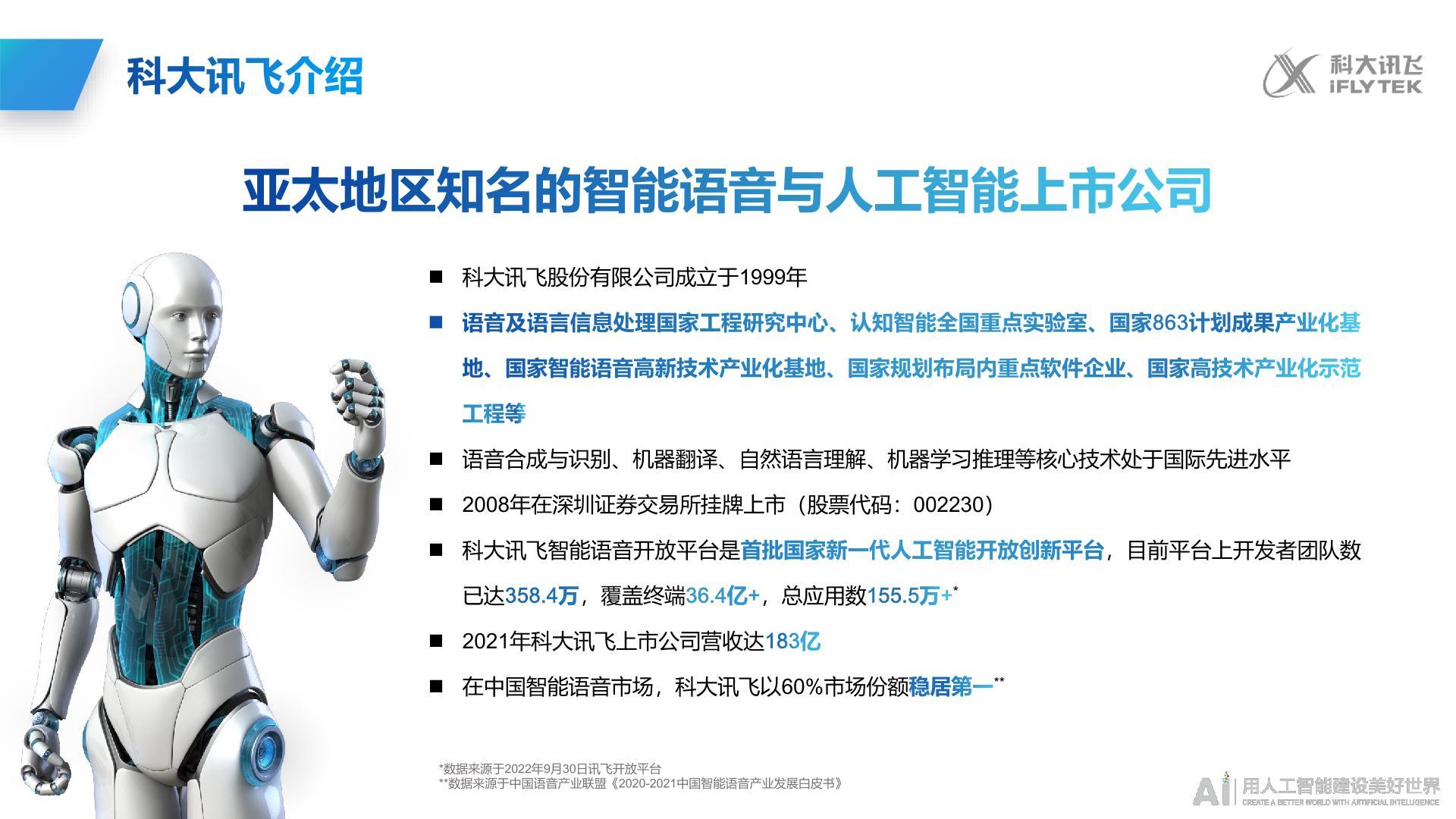
Over the past half-year, the rapid surge in AI voice technology has been fueled by a confluence of breakthroughs and market dynamics. Advancements in natural language processing and deep learning have transformed how machines understand and generate human speech, making interactions feel more intuitive and lifelike. Simultaneously occurring, the proliferation of edge computing and 5G connectivity has lowered latency and expanded the potential use cases—from smart assistants to real-time translation—accelerating adoption across industries.
Behind this explosive growth lies a set of core catalysts that often go unnoticed. These include:
- Data democratization—a flood of voice data to train expansive models.
- investment surge—major tech giants pouring resources into innovation hubs.
- Consumer demand for personalization—driving brands to innovate voice-enabled experiences.
| Factor | Impact | Example |
|---|---|---|
| data Access | enables nuanced speech models | Voice datasets from global users |
| Funding | Accelerates R&D cycles | Major investments in voice startups |
| Market Trends | Pushes product innovation | Smart home devices becoming voice-first |
Navigating Market Dynamics and User Engagement Shifts
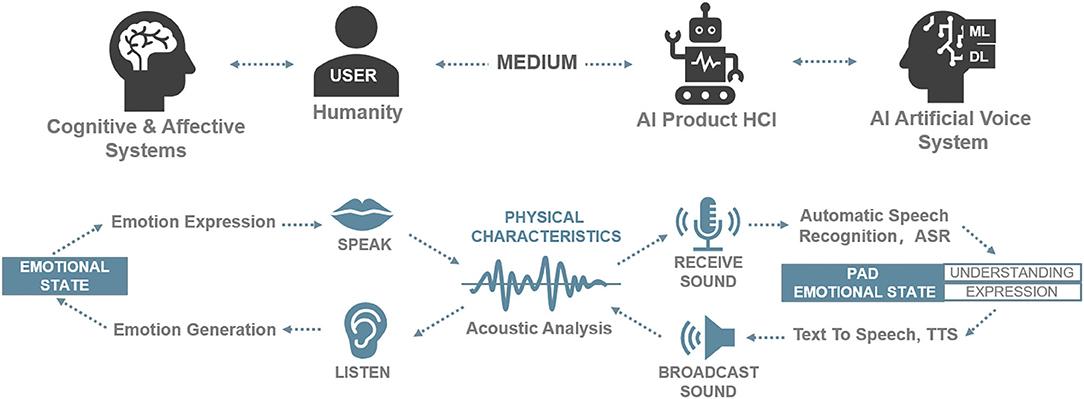
over the past half-year,the surge in AI voice technologies has reshaped the landscape of digital interaction,prompting both users and developers to recalibrate their expectations. the key to understanding this rapid evolution lies in recognizing how market demands and technological breakthroughs intersect to create new growth catalysts.Innovations that once seemed futuristic—such as seamless voice commands, contextual understanding, and personalized voice assistants—are now becoming essential components of everyday life, pushing companies to adapt swiftly to stay ahead of the curve.
Together, user engagement patterns are transforming under the influence of AI-driven interfaces. Users now prefer more intuitive, natural interactions that require minimal effort but deliver maximum personalization. This shift is evidenced by choices like:
- transition from text-based inputs to voice commands
- Preference for voice-enabled services in daily routines
- Increased expectations for contextual responsiveness and accuracy
| Key Shift | Implication |
|---|---|
| Voice as Primary Interface | Redefines user interactions, making voice recognition accuracy critical for success. |
| Personalization & Context | Encourages deeper data integration to deliver tailored experiences. |
| User-Centric Design | Pushes developers to craft conversational flows that feel natural and engaging. |
Strategic Opportunities for Stakeholders in the Voice AI Ecosystem
For stakeholders eyeing the burgeoning Voice AI landscape, understanding the evolving value chains is crucial. Innovators should focus on creating seamless integrations, leveraging natural language processing advancements to enhance user experience. As the ecosystem matures, opportunities lie in developing specialized voice assistants tailored to niche industries such as healthcare, education, or smart home technology. Companies that position themselves as platform enablers—offering SDKs, APIs, or voice data analytics—can capture a notable share of this growth wave, turning voice into a core component of digital transformation strategies.
Meanwhile, strategic partnerships will shape the competitive landscape. Collaborations between device manufacturers, content providers, and AI developers can accelerate adoption and diversify voice AI capabilities. Stakeholders who invest in building robust data privacy frameworks and rich voice datasets will also stand out, fostering trust and driving market penetration. Here’s a speedy look at some strategic leverages:
| Opportunity | Key Action | Impact |
|---|---|---|
| Specialized voice Solutions | Develop industry-specific assistants | High adoption in niche markets |
| Data Privacy & Security | Implement clear data practices | Build consumer trust |
| Cross-Industry Partnerships | Forge strategic alliances | Accelerate deployment & innovation |

Emerging Trends and Actionable Steps to Stay Ahead in the Voice Revolution
In the fast-evolving landscape of voice technology, staying ahead requires a keen eye for emerging patterns and strategic adaptation. Companies that leverage deep learning, contextual understanding, and multimodal integration are setting the tone for the next wave of innovation. To harness this momentum, consider embedding real-time analytics into your voice solutions, enabling personalized user experiences that adapt seamlessly to individual behaviors and preferences. The key lies in recognizing which niches are ripe for disruption and investing early into proactive research and growth—transforming challenges into opportunities for growth.
| Focus Area | Actionable Step | Expected Benefit |
|---|---|---|
| Data Acquisition | Curate diverse voice datasets to improve model robustness | Enhanced accuracy across accents and dialects |
| User Engagement | Implement adaptive dialog flows based on context | Higher user satisfaction and retention |
| Cross-Platform Integration | Build APIs for seamless voice-environment connectivity | Broader ecosystem footprint and increased usability |